Named to commemorate the three French Republics, the charming Place de
la République is a square situated roughly at the meeting of three fun
Parisian arrondissements: the III, X and XI.
As a monument to the
French Republic, the Place has undeniable historical significance. Of
course, it's also a nice place to visit, and you may find yourself
seeing it quite regularly if you find an apartment rental in the
Republique quarter, Paris.
It's definitely an area worth considering. After all, apartment rentals 75010 Paris, République, put you
in the center of three lovely, centrally-located French districts.
The adjacent 3rd contains the more tranquil part of the very-chic Marais
neighborhood, which some call Paris' most desirable residential area.
There are more cafés, restaurants and pubs here than any other part of
Paris, purveyors of gourmet groceries, flea markets, and much more. From
your Paris vacation apartments rent, it's only a short
walk to the more lively part of the Marais.
Of course, nightlife and charming bistros are not all the Marais has to
offer. The Picasso Museum is here, showcasing his works and private
holdings, as well as the Pompidou Center, which has one of Europe's best
museums of modern art. Lovers of inventions will probably want to check
out the Conservatoire des Arts et Métiers, which has a collection of
prototypes of modern inventions.
The Place de la République, with its numerous bars, restaurants and
cafés also intersects the southernmost part of the 10th. The heart of
the 10th is the St. Martin Canal. If you love cycling, rollerblading or
walking, you'll be happy to know beginning Saturday afternoon the canal
is pedestrian-only, continuing all day Sunday. Walk, cycle or glide
care-free. There are sidewalk cafés here to enjoy along the St. Martin
Promenade. One popular pastime is simply strolling and watching boats as
they pass through the locks. (A scene that also appeared in the
blockbuster film, Amelie.)
Also adjoining the Place de la République is the 11th arrondissement.
The 11th has two nightlife scenes that are becoming quite popular. To
the north, the Rue Oberkampf has a more traditional nightlife scene. A
bit gritty, but fun for those who like a bohemian flair. Near the Place
be Bastille, there's a Latin-music themed scene that attracts
expatriates, suburban Parisian yuppies and it a bit more gentrified.
Visit the one that appeals to you most, or try both to get a feel for
the fun to be had in this lively area.
The Place de la République's history is interesting and eventful. It
developed much of its modern aspect during the Second Empire, when its
size and through-traffic were increased by the expansion of boulevard
Magenta. It has had two fountains. The first, designed by Girard, was
called the Water House ("Château-d'Eau"). In the late 19th century it
was replaced by a more lavish fountain with bronze lions, created by
Paris' city architect Gabriel Davioud. (The state by Girard was moved to
the la Villette marketplace,)
Paris has always been a city that has favored monuments, and the bold
statement. The Place be la République is no exception, and a competition
was created to design a grand monument to celebrate the new republic in
1879. The winners were Léopold Morice and Charles Morice, brothers who
worked as a team. Léopold created the monument itself, and Charles
created the base. Artist Aimé-Jules Dalou added plaques with historical
images on the base itself.
The square was actually inaugurated twice, first in 1880 when the mockup
was complete, and again on July 14, 1883 when the bronze version was
installed.
You'll be happy to know your apartment rentals
in Paris is very accessible. After all, below the square lies the
République Metro station. This means, in effect, the rest of central
Paris is but a relaxing walk or short metro trip away.
We look forward to showing you the many wonderful neighborhoods and
districts Paris has to offer. Looking for an apartment over a hotel is
an excellent starting point.
Apartment rentals in Paris let you live
in France's capital in a way that a hotel simply can't match. Freedom
and flexibility are only the beginning. You'll save money by preparing
some meals at home in your very own kitchen, leaving you with more money
to spend on special purchases and select fine dining experiences.
But most of all, you'll get a window into what it means to live like a
true Parisian. Magical memories begin here, and we know with just a
little browsing you'll find just what you're looking for.
Monday, October 24, 2011
Friday, October 14, 2011
In the Kingdom of Alexandre the Great
Early October 2011 to January 2012 at the Louvre museum
The exhibition presents a remarkable panorama of ancient Macedonia. Around 500 worksevoke different aspects of Macedonian civilisation: artistic production, the administration of the kingdom, education, the worlds of men and women, religion and death. Exceptional loans of works hitherto unknown in France further enhance the standing of this exhibition.
Visit our site to find a great place where to stay during this exhibition. we have new Paris studio rentals and Paris 2 bedrooms rental apartment in the area. feel free to ask one of our agent.
http://www.mykeystoparis.com/362-paris-2-bedrooms-rental-apartment-Richelieu.html
Tuesday, October 11, 2011
Paris River Seine - Paris apartment for rent
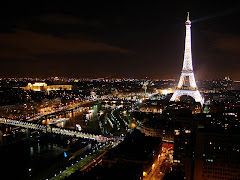
A cruise along the Seine gives a whole different perspective on Paris and is often a much needed rest after a day of walking. Both day and night cruises are quite popular. Many buildings (including the Louvre) are beautifully illuminated at night. Of course, evening cruises are particularly suited as a romantic interlude. And no romantic trip to Paris is complete without a kiss on the banks of the Seine.
The Seine’s name is actually from a Celtic construction meaning “Sacred River,” and you may find it is also a wonderful place for a peaceful walk and quiet reflection by yourself. There is a touch of the ancient and spiritual here, as well. You may well find yourself in an apartment rentals in Paris that puts you within walking distance of this breathtaking zone.
Another popular option for seeing the Seine is the “hop-on hop-off” boat, offering eight stops along the river Seine. Hop on board at one point, and hop off at the next stop you wish to explore. You can buy a ticket for the day (or longer) and hop off and on as much as you please. After a scrumptious lunch in one of Paris' cafes or restaurants, you may find it’s a relaxing option leaving you plenty of energy for evening ahead.
Although the daytime cruises are quite popular for viewing monuments and bridges in detail, others believe there is nothing quite so breathtaking as Paris illuminated by night. Fortunately, there are various cruises to choose from, offering a wide assortment of options, from those offering the best of Parisian cuisine to very reasonably priced tours for those on a budget. Commentaries are offered in multiple languages, and cruises take visitors by some of Paris’ famous sights including the Eiffel Tower and around the two Islands Ile St.Louis and le de la Cité.
A cruise along on the Seine gives one an entirely different perspective on Paris and is a nice break from all the on-foot adventuring you may find yourself doing while in the city.
In a more recent development, over the past few summers Paris has transformed the banks of the Seine into "Paris Beach" ("Paris Beach" in French)! More than 2,000 tons of beach-quality sand, a 28-meter swimming pool, sun-loungers, deck chairs and colorful parasols make this a unique and fun way to spend the day from your Paris vacation apartments rent.
The history of the bridges (“ponts”) of Paris gives just a small sense of the history of Paris itself. The oldest bridge on the river Seine is, ironically, called the Pont Neuf (“New Bridge” in French). Commissioned by King Henry III in 1576, the original name for the bridge was the "Bridge of Tears,” as Henry III was grieving for two close friends killed in duels as he laid the foundation stone for the bridge. The bridge was renamed the “New Bridge” because it was a new approach, a bridge with no houses on it. (Previous Parisian bridges had houses on them.) Henry III was assassinated before completion of the bridge, and it was completed in by Henry IV.
When Henry IV was himself assassinated the Grand Duke of Tuscany presented his widow, Marie de Medici, with a bronze horse as a memorial. The boat that transported the horse to France sank off the coast of Sardinia in 1613, along with the statue. A year later it would be found and sent on to Paris. It would be placed on the Pont Neuf rider-less for twenty-one years. In 1635 Louis XIII had a statue made of his father Henry IV and placed his likeness on the horse. It would remain for the next 157 years until the third year of the French Revolution, when Paris mobs destroyed and melted down the horse and the riding king. The Pont Neuf would remain without a statue until the return of the monarchy in 1814. Louis XVIII then ordered a replica of the horse and Henry IV cast in bronze, using part of the melted down statue of Napoléon that had been on top of the Vendome column.
Another bridge, the Pont Alexandre III is famous for its Art Nouveau lamps, nymphs and cherubs. Built between 1896 and 1900 by the architects Résal and Alby, it was completed barely in time for the Universal Exposition of 1900. It was begun by Tsar Nicholas II and named after his father Tsar Alexander III. The Pont Alexandre III is located in between the Grand and Petit Palais on the right bank of the river Seine and the Hôtel des Invalides on the left bank of the Seine.
The Banks of the Seine in Paris were added to the UNESCO's list of World Heritage Sites in 1991. It appears frequently in history and literature. From your apartment rental ile Saint Louis 4th area Paris, on river Seine, you may feel yourself at the center of this rich heritage. In Victor Hugo's novel Les Misérables, Jean Valjean escapes from the sewers on the banks of the Seine. According to his will, Napoleon wished to be buried on the Banks.
You can walk along the Seine from your apartment rentals in Paris and see so much of the city, on the Right Bank from the Latin Quarter to the Eiffel Tower, on the Left Bank from the posh Pont de Alma area to the ultra-hip Marais. The Seine has something breathtaking to offer each visitor. Feel free to make it your own apartment rental on the river seine, Paris.
Thursday, October 6, 2011
MykeystoPARIS review
Dear Daniel, As to the experience at Rue Vinaigriers : Paris family apartment – we just loved the place. It was the only open plan appt we found in Paris above the rooftops full of light, space and peace. Dragika the land lady was gorgeous – always helpful and there. Lea and Paul were ever helpful via email for little things about the place.
It was a real home away from home and we miss it terribly and wish we were back there instead of our 6 bedroom mansion here. Another great thing was location – it was quiet, by the canal and close to all our friends. However it was still only 10 minutes by metro into the heart of Paris. Great shops, markets, African and Asian shops were around for food, fashion, hair styles and fun. Not to mention all the shop keepers became like friends and treated us on our last visit. It is a very special place and I’d recommend it heartily. The only thing that could be improved would be to fill in the wall of the bedroom between the living room as the TV would wake me up in the morning as the wall above is incomplete. I don’t have lea’s email address here as it’s on Nick’s computer. Please forwards on how much we appreciated their appt to them. Cheers Phe.
Monday, September 26, 2011
Are you looking for an apartment in the 16th area of Paris
Located in the glamorous 16th district of Paris, the Trocadéro is located just across the Seine from the Eiffel Tower, and is the site of what was once the hill and village of Chaillot. This area is ideal for short term apartment rentals.
Today, the Trocadéro is the site of the Palais du Chaillot. The vista here is a "must" when visiting Paris, as it takes in both the Palais and the Eiffel Tower. The 16th, which surrounds the Trocadéro, is one of Paris' most affluent areas, with a regal grandeur that's unmistakable. There are gourmet grocery stores here, fashion boutiques, charming cafés and of course astounding architecture around every bend. A Paris apartment rental in Trocadero quarter means luxury in every sense of the word.
The name "Trocadéro" comes from the Battle of Trocadéro, which took place in Cadiz in Southern Spain in the 19th century. A great battle was fought to intervene against Spanish liberals rebelling against Ferdinand VII, and this battle was instrumental in maintaining the reign of the Spanish Bourbon Ferdinand. It was a defining moment for the Restoration.
(Linguists will be interested to know the root of the word "Trocadéro" comes from the word meaning "trade place" or "emporium.")
In 1877, the event was commemorated with the "place de Trocadéro" (or Trocadéro Plaza) formerly known as the "place du Roi de Rome" (Plaza of the King of Rome). The official, full modern name is "du Trocadéro et du 11 Novembre."
The former Palais du Trocadéro was located here, created for World Exposition of 1867. It had a large, double-winged concert hall, two towers, and was in what might be termed a Moorish style. Designed by architect Gabriel Davioud, it featured a large organ created by Aristide Cavaillé-Coll, which has since been relocated to Lyon, where is sits in the Maurice Ravel Auditorium (and is still used).
Unfortunately, the Palais du Trocadéro proved unpopular, and for the 1937 World's Fair, it was torn down and replaced by the Palais de Chaillot, which still stands today. The new palace was designed in a more modern style by a triumvirate of architects: Jacques Carlu, Léon Azéma and Louis-Hippolyte Boileau.
nterestingly, the new palace maintains echoes of the older design, perhaps in an effort to pay tribute to the structure that came before. Two wings were created on the foundation that held the former wings. But unlike the older palace, the wings are independent structures, not interconnected. A large esplanade creates an open vista from the place du Trocadéro to the Eiffel Tower.
The Palais du Chaillot has had several important historical moments, including the signing of the Universal Declaration of Human Rights here in 1948. As a result, the esplanade now bears the name "Esplanade of Human Rights" (esplanade des droits de l'homme).
Several museums can be found in the Palace itself or nearby. The Human Evolution and Ethnology Museum (Musée de l'Homme) and the Naval Museum (Musée national de la Marine) are located in the one wing, and in the other is the the Cité de l'Architecture et du Patrimoine, which includes the Museum of French National Monuments (Musée national des Monuments Français), Below the esplanade itself is the National Theatre of Chaillot.
There are film screenings here that many may find interesting. And nearby there are several museums to enjoy, such as the Musee National des Arts Asiatiques – Guimet, located on the Place d'Ilena, featuring an exquisite collection of Asian arts, with a collection that spans India, Japan, China, Southeast Asia and Tibet. The Musee du Pantheon Bouddhique, at 19 Avenue d'Iéna, showcases the original core of the collection.
Also nearby, the Palais de Tokyo, built contemporaneously with the Palais de Chaillot, houses the Musee d'Art Moderne de la Ville de Paris. This exceptional collection of 20th century art is another "must-see" when visiting the Trocadéro.
The 16th is a place that has to be experienced. Economical choices abound that put you in this quiet, residential, yet unmistakably glamorous neighborhood that feels "out of the way" while letting you experience all the sights, sounds, colors and tastes that central Paris apartments for rent has to offer!
Wednesday, September 7, 2011
Edvard Munch
Centre Pompidou - from 21st September 2011 to 9th January 2012
This major event casts a fresh eye over the artistic production of Norwegian artist Advard Munch (1863-1944). Some 70 major works are collected together here thanks to loans from the most prestigious international public collections (the Munch Museum and the National Gallery in Oslo). The exhibition presents an alternative view of the artist, far removed from his image as a symbolist and pre-expressionist. Edvard Munch is in perfect accord with the forms of representation and the modernity of his time. The influence of photography, cinema and theatre on his pictural work place him as a true 20th century artist. A gallery of striking self-portraits and remarkable vintage prints combine to make this a rare encounter.
For the exhibition, we invit you to check our list of appartment available in the area.: Paris apartment rentals beaubourg:
- http://www.mykeystoparis.com/265-paris-luxury-1-bedroom-apartment-Beaubourg.html
- http://www.mykeystoparis.com/263-paris-vacation-studio-rental-Clairvaux.html
- http://www.mykeystoparis.com/267-paris-one-bedroom-rental-Saint-Merri-terrace.html
Monday, August 8, 2011
A Paris Apartment rental in the Trocadero area
Located in the glamorous 16th district of Paris, the Trocadéro is located just across the Seine from the Eiffel Tower, and is the site of what was once the hill and village of Chaillot. This area is ideal for short term apartment rentals.
Today, the Trocadéro is the site of the Palais du Chaillot. The vista here is a "must" when visiting Paris, as it takes in both the Palais and the Eiffel Tower. The 16th, which surrounds the Trocadéro, is one of Paris' most affluent areas, with a regal grandeur that's unmistakable. There are gourmet grocery stores here, fashion boutiques, charming cafés and of course astounding architecture around every bend. A Paris apartment rental in Trocadero quarter means luxury in every sense of the word.
The name "Trocadéro" comes from the Battle of Trocadéro, which took place in Cadiz in Southern Spain in the 19th century. A great battle was fought to intervene against Spanish liberals rebelling against Ferdinand VII, and this battle was instrumental in maintaining the reign of the Spanish Bourbon Ferdinand. It was a defining moment for the Restoration.
(Linguists will be interested to know the root of the word "Trocadéro" comes from the word meaning "trade place" or "emporium.")
In 1877, the event was commemorated with the "place de Trocadéro" (or Trocadéro Plaza) formerly known as the "place du Roi de Rome" (Plaza of the King of Rome). The official, full modern name is "du Trocadéro et du 11 Novembre."
The former Palais du Trocadéro was located here, created for World Exposition of 1867. It had a large, double-winged concert hall, two towers, and was in what might be termed a Moorish style. Designed by architect Gabriel Davioud, it featured a large organ created by Aristide Cavaillé-Coll, which has since been relocated to Lyon, where is sits in the Maurice Ravel Auditorium (and is still used).
Unfortunately, the Palais du Trocadéro proved unpopular, and for the 1937 World's Fair, it was torn down and replaced by the Palais de Chaillot, which still stands today. The new palace was designed in a more modern style by a triumvirate of architects: Jacques Carlu, Léon Azéma and Louis-Hippolyte Boileau.
nterestingly, the new palace maintains echoes of the older design, perhaps in an effort to pay tribute to the structure that came before. Two wings were created on the foundation that held the former wings. But unlike the older palace, the wings are independent structures, not interconnected. A large esplanade creates an open vista from the place du Trocadéro to the Eiffel Tower.
The Palais du Chaillot has had several important historical moments, including the signing of the Universal Declaration of Human Rights here in 1948. As a result, the esplanade now bears the name "Esplanade of Human Rights" (esplanade des droits de l'homme).
Several museums can be found in the Palace itself or nearby. The Human Evolution and Ethnology Museum (Musée de l'Homme) and the Naval Museum (Musée national de la Marine) are located in the one wing, and in the other is the the Cité de l'Architecture et du Patrimoine, which includes the Museum of French National Monuments (Musée national des Monuments Français), Below the esplanade itself is the National Theatre of Chaillot.
There are film screenings here that many may find interesting. And nearby there are several museums to enjoy, such as the Musee National des Arts Asiatiques – Guimet, located on the Place d'Ilena, featuring an exquisite collection of Asian arts, with a collection that spans India, Japan, China, Southeast Asia and Tibet. The Musee du Pantheon Bouddhique, at 19 Avenue d'Iéna, showcases the original core of the collection.
Also nearby, the Palais de Tokyo, built contemporaneously with the Palais de Chaillot, houses the Musee d'Art Moderne de la Ville de Paris. This exceptional collection of 20th century art is another "must-see" when visiting the Trocadéro.
The 16th is a place that has to be experienced. Economical choices abound that put you in this quiet, residential, yet unmistakably glamorous neighborhood that feels "out of the way" while letting you experience all the sights, sounds, colors and tastes that central Paris apartments for rent has to offer!
Today, the Trocadéro is the site of the Palais du Chaillot. The vista here is a "must" when visiting Paris, as it takes in both the Palais and the Eiffel Tower. The 16th, which surrounds the Trocadéro, is one of Paris' most affluent areas, with a regal grandeur that's unmistakable. There are gourmet grocery stores here, fashion boutiques, charming cafés and of course astounding architecture around every bend. A Paris apartment rental in Trocadero quarter means luxury in every sense of the word.
The name "Trocadéro" comes from the Battle of Trocadéro, which took place in Cadiz in Southern Spain in the 19th century. A great battle was fought to intervene against Spanish liberals rebelling against Ferdinand VII, and this battle was instrumental in maintaining the reign of the Spanish Bourbon Ferdinand. It was a defining moment for the Restoration.
(Linguists will be interested to know the root of the word "Trocadéro" comes from the word meaning "trade place" or "emporium.")
In 1877, the event was commemorated with the "place de Trocadéro" (or Trocadéro Plaza) formerly known as the "place du Roi de Rome" (Plaza of the King of Rome). The official, full modern name is "du Trocadéro et du 11 Novembre."
The former Palais du Trocadéro was located here, created for World Exposition of 1867. It had a large, double-winged concert hall, two towers, and was in what might be termed a Moorish style. Designed by architect Gabriel Davioud, it featured a large organ created by Aristide Cavaillé-Coll, which has since been relocated to Lyon, where is sits in the Maurice Ravel Auditorium (and is still used).
Unfortunately, the Palais du Trocadéro proved unpopular, and for the 1937 World's Fair, it was torn down and replaced by the Palais de Chaillot, which still stands today. The new palace was designed in a more modern style by a triumvirate of architects: Jacques Carlu, Léon Azéma and Louis-Hippolyte Boileau.
nterestingly, the new palace maintains echoes of the older design, perhaps in an effort to pay tribute to the structure that came before. Two wings were created on the foundation that held the former wings. But unlike the older palace, the wings are independent structures, not interconnected. A large esplanade creates an open vista from the place du Trocadéro to the Eiffel Tower.
The Palais du Chaillot has had several important historical moments, including the signing of the Universal Declaration of Human Rights here in 1948. As a result, the esplanade now bears the name "Esplanade of Human Rights" (esplanade des droits de l'homme).
Several museums can be found in the Palace itself or nearby. The Human Evolution and Ethnology Museum (Musée de l'Homme) and the Naval Museum (Musée national de la Marine) are located in the one wing, and in the other is the the Cité de l'Architecture et du Patrimoine, which includes the Museum of French National Monuments (Musée national des Monuments Français), Below the esplanade itself is the National Theatre of Chaillot.
There are film screenings here that many may find interesting. And nearby there are several museums to enjoy, such as the Musee National des Arts Asiatiques – Guimet, located on the Place d'Ilena, featuring an exquisite collection of Asian arts, with a collection that spans India, Japan, China, Southeast Asia and Tibet. The Musee du Pantheon Bouddhique, at 19 Avenue d'Iéna, showcases the original core of the collection.
Also nearby, the Palais de Tokyo, built contemporaneously with the Palais de Chaillot, houses the Musee d'Art Moderne de la Ville de Paris. This exceptional collection of 20th century art is another "must-see" when visiting the Trocadéro.
The 16th is a place that has to be experienced. Economical choices abound that put you in this quiet, residential, yet unmistakably glamorous neighborhood that feels "out of the way" while letting you experience all the sights, sounds, colors and tastes that central Paris apartments for rent has to offer!
Subscribe to:
Posts (Atom)